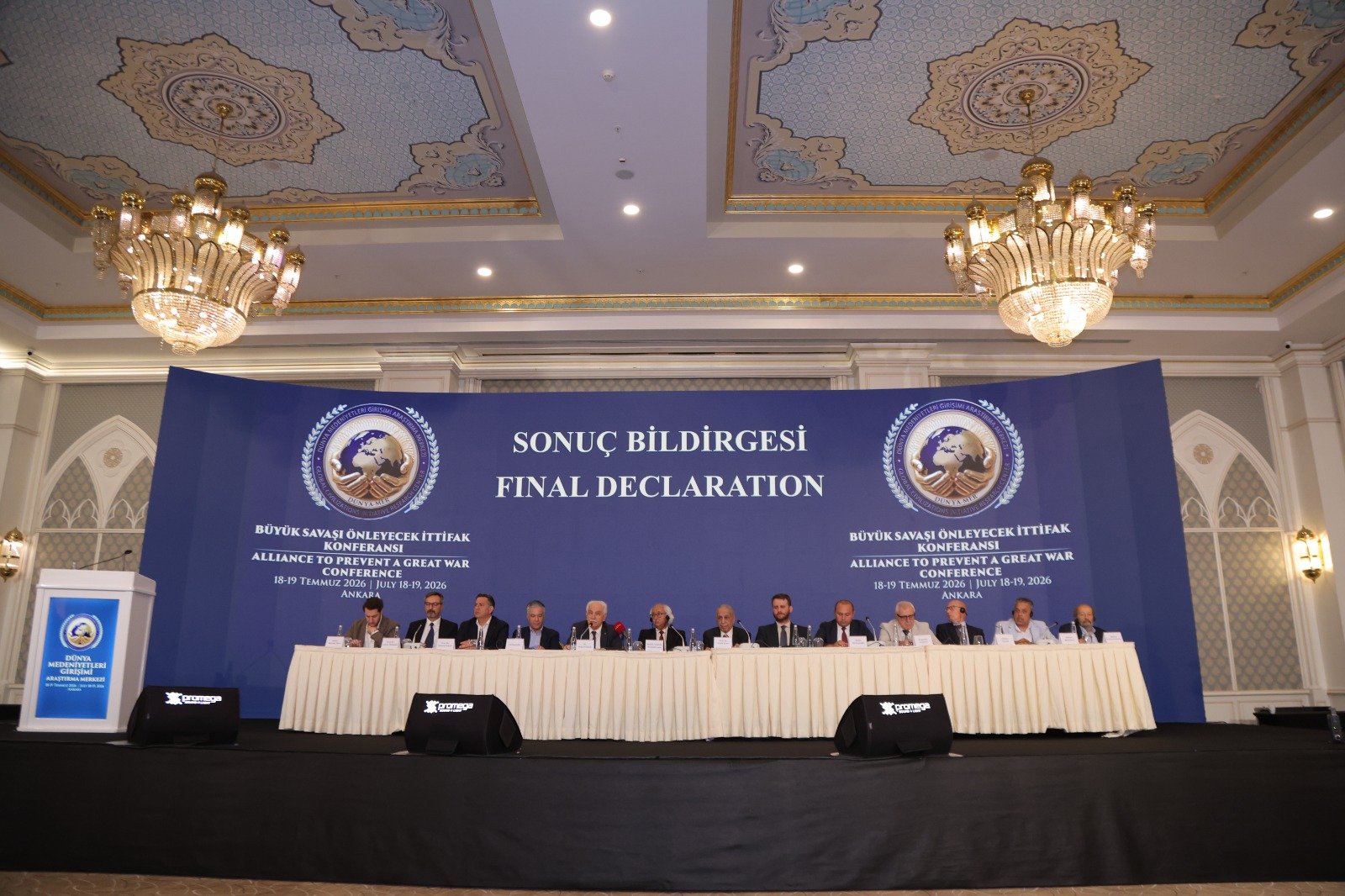

It is a true pleasure to be here with you today, and I would like to express my gratitude to the organizers for extending this invitation. As perhaps one of the youngest participants at this table, I am genuinely honored to join this panel. For Westerners and Europeans, stepping outside the Brussels sphere to engage in open dialogue with partners in non-European regions often carries the risk of being unfairly labeled. Yet, choosing transparent communication over conflict is the only way to remind the world that global security is achievable.
Unfortunately, the West suffers from a severe deficit of a genuine political class. Lacking political vision, decision-making has been outsourced to the bureaucratic apparatus in Brussels. Because the Brussels leadership possesses no independent strategic agenda, it routinely submits to the orders issued by Washington. This is deeply regrettable, as our American counterparts display little respect for the sovereignty of their supposed European allies. NATO no longer functions as a defensive alliance; rather, it has transformed into a provocative organization that escalates global tensions. In the conflicts raging from Ukraine to other regions, it is not the relatives of the political elites in Brussels, Moscow, or Washington who pay the price, but the younger generation.
In this context, the Spanish government’s resistance against NATO’s pressure to raise defense spending to 5% of GDP—thereby refusing to enrich American arms manufacturers in favor of investing in social infrastructure, health, and education—represents a highly prudent stance. While I do not align with communist ideology, I stand firmly with any international initiative that seeks to build bridges, preserve peace, and facilitate dialogue among diverse nations. As Western Europeans, we must remain open to Eurasian cooperation, honoring the historic legacy of the Silk Road and the immense cultural contributions of Eastern civilizations.
Europe must reclaim its sovereignty and cease executing directives from Washington and unelected Brussels officials. We must reject the narrative of inevitable war and instead embrace peaceful diplomacy. Türkiye—sharing a deep Mediterranean heritage with nations like Spain—holds a vital position in international relations with its profound diplomatic traditions. Mustafa Kemal Atatürk’s founding principle, “Peace at home, peace in the world,” serves as an indispensable guiding light not only for Türkiye, but for Europe and the entire international community.